










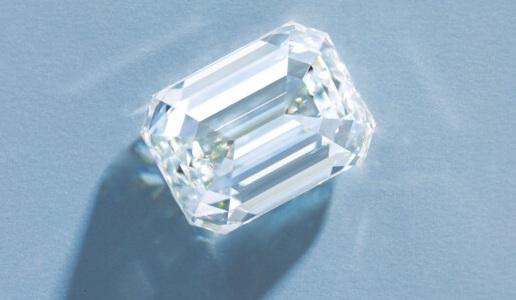

Lab grown diamonds and natural diamonds are both real diamonds with the same basic chemical and physical properties. The biggest differences are how they form, what they cost, and how they may hold value over time. At Doland Jewelers, we believe the right choice depends on your priorities rather than one option being better for everyone.
Some buyers care most about getting the largest diamond possible within a budget. Others place more value on natural rarity, tradition, or long-term value.
Understanding those differences makes the decision much easier.
What Lab Grown Diamonds Actually Are
A natural diamond forms deep within the earth over an extremely long period of time. Heat and pressure transform carbon into the crystal structure we recognize as diamond.
A laboratory-created diamond is grown using technology that recreates conditions needed for diamond formation. The result is still diamond.
That distinction is important because laboratory-created diamonds are sometimes confused with diamond simulants such as cubic zirconia. They are not the same thing.
A diamond grown in a laboratory has the same fundamental chemical composition as a natural diamond. It also has the hardness, brilliance, and optical properties people associate with diamond.
In normal viewing, you generally cannot look at two comparable stones and determine which one formed underground and which one grew in a laboratory.
That is one reason professional grading and identification matter.
Both types can be evaluated using the familiar 4Cs of diamond quality: cut, color, clarity, and carat weight. These characteristics help describe the appearance and quality of an individual stone.
Cut evaluates how proportions and craftsmanship influence the way a diamond handles light. Color measures how much noticeable body color is present.
Clarity describes natural or growth-related characteristics inside and on the surface of the diamond. Carat is a measurement of weight.
Shoppers may see the phrasegia certified diamonds when researching either natural or laboratory-created stones. Grading reports provide important information about an individual diamond and help buyers compare stones more objectively.
A grading report is useful, but it should not replace seeing a diamond in person. Two stones with similar specifications can still look different to your eye.
That is why we encourage buyers to use grades as a guide, then compare appearance before making the final choice.
The most important point is simple. A laboratory-created diamond is not a fake diamond.
It is a real diamond with a different origin.
Lab Grown Diamonds and Natural Diamonds: What Is the Cost Difference?
Price is often the most noticeable difference between the two options.
Laboratory-created diamonds generally cost substantially less than natural diamonds of similar size and quality. That difference can give buyers more flexibility within the same overall engagement ring budget.
For example, someone who prioritizes size may be able to select a larger laboratory-created center stone without dramatically increasing the total ring price.
Someone else may keep the same size and use the savings to move into higher color or clarity grades.
That flexibility is one reasonlab grown diamond engagement rings have become an option many couples consider when deciding how to allocate their budget.
Natural diamonds typically command higher prices because their supply, origin, rarity, and market are different.
The higher price does not mean a natural diamond automatically looks better. Likewise, a lower purchase price does not mean a laboratory-created stone is lower quality.
The comparison comes down to what you are buying and why that matters to you.
If your goal is maximum visible size for your budget, a laboratory-created stone can be appealing.
If natural origin and rarity are important parts of what the diamond represents to you, a natural stone may be worth the additional cost.
Neither priority is wrong.
It also helps to look at the entire ring rather than only the center stone. Your setting, metal, side diamonds, and design choices all contribute to the final price.
A buyer who saves on the center stone may decide to put more of the budget toward a detailed setting. Another buyer may choose a simple solitaire and devote more of the budget to a natural center stone.
Ourengagement ring price guide explains the other factors that can affect the total price.
A good budget discussion should start with what you are comfortable spending. From there, you can compare how different center stone choices change the finished ring.
Resale and Long-Term Value
This is one area where buyers deserve a straightforward answer.
Natural and laboratory-created diamonds do not behave the same way in the resale market.
Natural diamonds are limited by geological supply and have a long-established secondary market. Their resale value can still vary considerably, and buyers should never assume a diamond is an investment that will automatically appreciate.
Laboratory-created diamond pricing has changed as production has expanded and technology has improved. That means the price of a newly produced stone can decline as similar diamonds become less expensive to create.
As a result, laboratory-created stones have generally had less predictable resale value.
That does not mean buying one is a bad decision.
Many people buy an engagement ring because they intend to keep and wear it, not because they plan to sell the center stone later.
For those buyers, getting more visible size or quality within the original budget may matter more than future resale.
Other buyers strongly value the rarity and long-term market history of natural diamonds. For them, paying more for natural origin makes sense.
This is why the decision should reflect your priorities before you purchase.
A good jeweler should not avoid the topic just because one answer may make a particular option less attractive.
You deserve to understand the trade-offs before you spend the money.
At Doland Jewelers we have a special upgrade offer exclusive to natural diamonds. If you purchase a natural diamond with Dolands, you can upgrade later on and receive full credit for your original diamond.
It is also important to distinguish resale value from emotional value.
The diamond in an engagement ring can become connected to a proposal, marriage, anniversaries, and family history. Those things are not reflected in a resale price.
For many owners, that personal value eventually matters far more than what another buyer might pay for the stone.
How to Choose Between Natural and Laboratory-Created Diamonds
Start with your priorities rather than starting with the diamond.
Ask yourself what matters most: size, budget, rarity, tradition, or long-term value.
If size is your first priority, laboratory-created options can stretch your budget significantly. That can make larger carat weights accessible without moving into a much higher price range.
If natural rarity matters most, focus your search on natural stones and decide which of the 4Cs are most important within your budget.
Tradition also matters to some buyers.
Natural diamonds have been associated with engagement rings for generations. Some people simply like knowing their diamond formed naturally within the earth. There is something inherently beautiful about wearing a stone that may be one of the oldest things you ever touch.
Others care less about origin and more about appearance. They may see no reason to pay more for a distinction they cannot see when wearing the ring.
Budget can make the decision clearer as well.
Set a number that feels comfortable before comparing stones. Then ask to see what that budget buys in both categories.
Seeing them side by side can be more useful than hours of online research. When you are done reading this article, please come and talk to us. We can save you wasted time online that typically culminates with you becoming confused and overloaded with information.
At Doland Jewelers, we recommend comparing actualloose diamonds rather than making the decision based only on charts, videos, or grading reports.
Your eyes can tell you quickly whether a size difference matters to you. You may also discover that certain color or clarity differences are much less noticeable than expected.
If you are starting from scratch, you can find a diamondand begin comparing different specifications.
You can also browse ourengagement rings separately to see how the center stone works with different setting styles.
Try not to treat the decision as a contest between two categories.
Instead, compare individual diamonds that fit your budget and priorities.
One buyer may compare a smaller natural diamond with a larger laboratory-created stone and immediately prefer the natural option.
Another may see the size difference and know the laboratory-created choice fits their priorities better.
Both can be good decisions.
The goal is to know what you are choosing and why.
Frequently Asked Questions
Are lab grown diamonds real diamonds?
Yes. Laboratory-created diamonds are real diamonds with the same basic chemical and physical makeup as natural diamonds. The difference is their origin. One forms within the earth and the other grows in a controlled laboratory environment. They are graded using the same familiar quality factors. Our GIA-trained team can explain the reports and show both options side by side so you can compare them yourself.
Do lab grown diamonds hold their value?
Natural and laboratory-created diamonds tend to hold value differently. Natural stones have a longer-established resale market, while prices for newly produced laboratory-created stones have fallen as production has expanded. Neither should be purchased with guaranteed appreciation in mind. If future resale matters to you, include that priority in your decision. If you plan to keep the ring indefinitely, purchase price and appearance may matter more.
Are lab grown diamonds graded and certified?
Yes. Reputable laboratory-created diamonds can receive independent grading reports covering cut, color, clarity, and carat weight, just as natural diamonds do. These reports help identify the stone and provide useful quality information. A report is valuable when comparing options, but appearance still matters. Two diamonds with similar grades can look different, so we recommend reviewing both the grading information and the actual stone before buying. At Dolands we only carry lab grown diamonds that have laser inscribed identification on the stone.
Which should I choose for an engagement ring?
Choose based on the priorities that matter most to you. A laboratory-created stone may make sense if size or maximizing your budget is most important. A natural diamond may fit better if rarity, tradition, or long-term value carries more weight. There is no universal right answer. The best approach is to compare both in person and decide which combination of appearance, price, and meaning feels right.
See Both at Doland Jewelers
You do not have to decide between natural and laboratory-created diamonds before you walk into the store.
Our GIA graduates can show you both, explain the grading information, and help you compare how different choices affect size and price. Seeing actual stones side by side often makes the decision much clearer.
Dubuque
1735 John F Kennedy Rd
Dubuque, IA
(563) 583-7936
Davenport
3865 Elmore Avenue
Davenport, IA
(563) 326-1847
Visit either Doland Jewelers location and compare both options at your own pace. We will explain the differences and let you decide which one fits your priorities.